
WEEKLY SERIES
Positive on Purpose
(Nothing is Neutral)
7:57 Watch Time
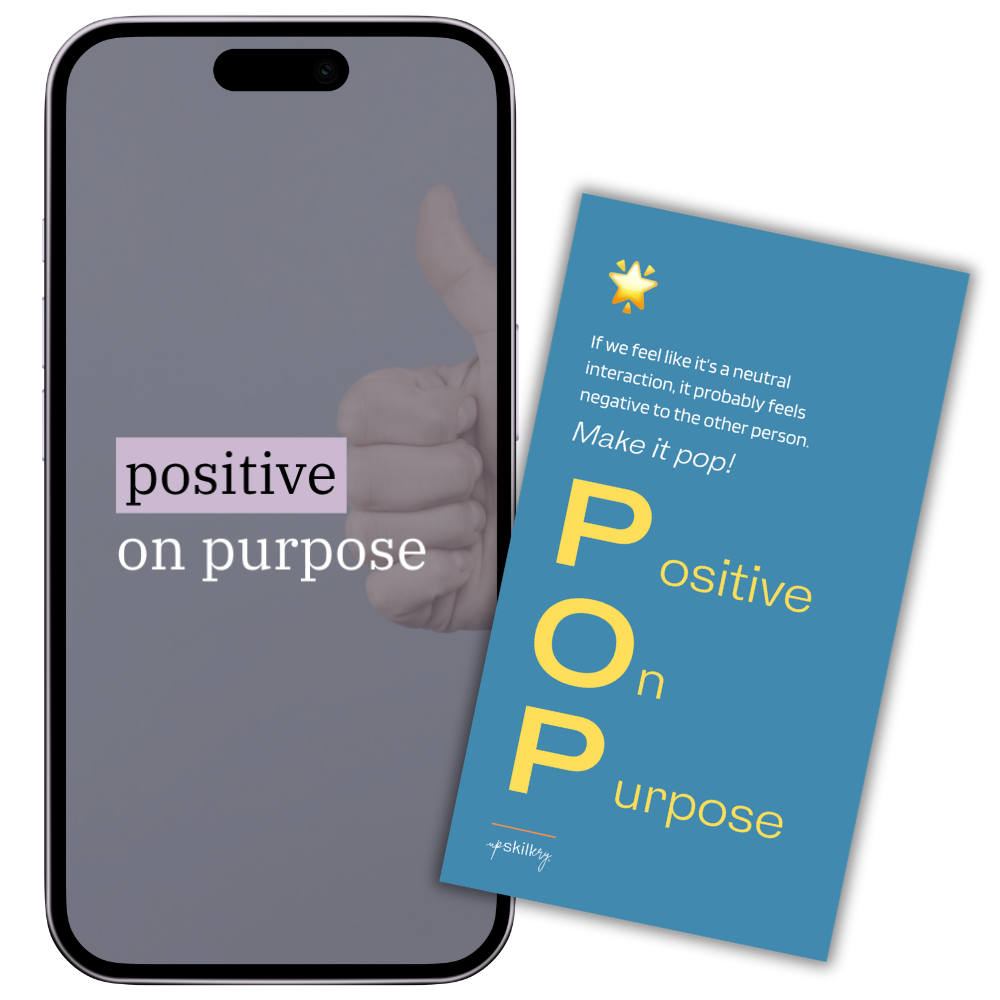
Solve these 'people problems'
Data
It's science
Neuroscience research shows the brain processes negative emotional cues faster and more intensely than positive ones, especially in the amygdala, the brain's threat detection center. (2)
That means patients don't just logically hear our tone, body language, and words, they emotionally feel them.
Research published in Review of General Psychology found that "bad is stronger than good," meaning negative interactions have a stronger emotional impact and are remembered more intensely than positive ones. (1)
Patients may not remember every detail of the interaction, but they will remember moments where they felt dismissed, unimportant, anxious, or uncared for.
Research on stress and emotional processing shows anxiety heightens emotional sensitivity and perception. (3)
In healthcare settings, fear of the unknown, pain, stress, and uncertainty can make even small interactions feel emotionally amplified for patients.
From The Experts
Find exactly what you need: browse or search the topic library
Become a team who upSKILLs.
Curious? If you have questions, we've got you.
See if upSKILLery is the tool that will make your life easier.
Take one easy step: which feels best?
Take one easy step: which feels best?
Tour
The Experience
Let us show you around with a quick walk through upSKILLery.
See Inside +
Get 4 FREE upSKILLs
Test the format, sample the content, get a feel for the user experience.
Talk
To An Expert
Get a FREE custom recommendation for you & your goals!